Collaborative Care: How Modern Vet Teams Are Using Technology to Improve Continuity
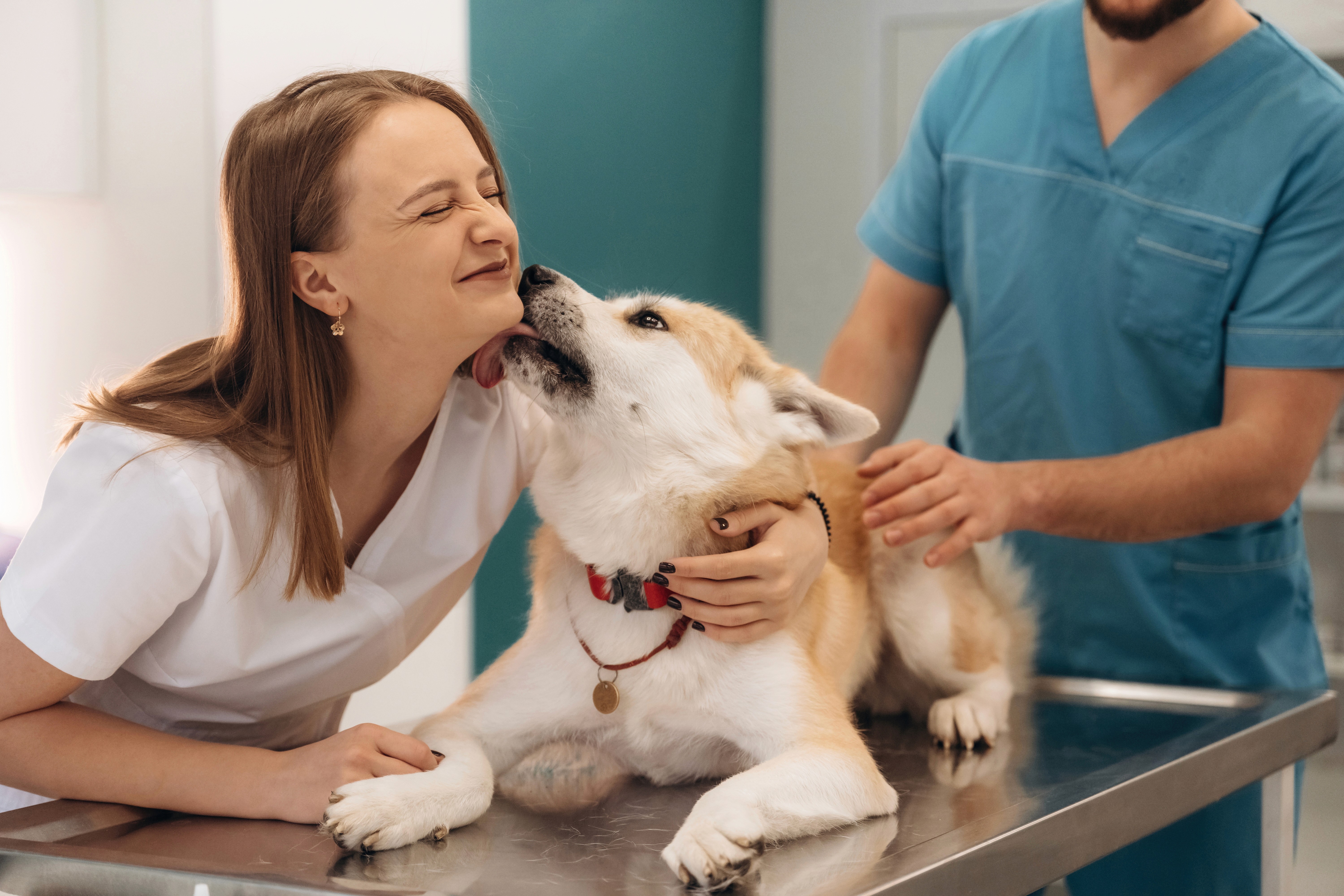
The landscape of veterinary practice has changed dramatically over the past decade. The traditional model (a single veterinarian running a solo practice with minimal staff) has increasingly given way to multi-doctor clinics, emergency hospitals with rotating shifts, specialty practices with multiple services, and corporate-owned facilities with large teams.
This evolution brings tremendous benefits: broader expertise, extended hours, better work-life balance for veterinarians, and enhanced capabilities for patients. But it also introduces a critical challenge: maintaining continuity of care when multiple providers work on the same cases.
The gap between shifts, the transition between general practice and specialty care, the handoff from daytime to emergency coverage - these moments are where critical information can be lost, where treatment plans can become fragmented, and where patient care can suffer.
Technology is transforming how veterinary teams collaborate, turning potential communication breakdowns into seamless continuity.
The Continuity Challenge in Modern Practice
Consider these common scenarios that plague multi-doctor practices:
Scenario 1: The Emergency Handoff
A dog presents at 6 PM with acute vomiting and lethargy. The daytime veterinarian runs initial diagnostics, starts fluid therapy, and begins investigating the cause. At 7 PM, the emergency overnight veterinarian arrives for their shift.
Without effective collaboration tools:
The incoming vet reads hastily written notes
Critical observations from the initial exam are ambiguous or missing
Treatment timeline is unclear
Client communication details are lost
The night shift essentially starts the case from scratch
With collaborative technology:
Complete, structured documentation is immediately accessible
Treatment timeline is clear and comprehensive
All diagnostic results are organized and available
Client communication is documented
The night shift continues care seamlessly
Scenario 2: The Specialty Referral
A general practitioner refers a complex internal medicine case to a specialist. The specialist performs extensive diagnostics and initiates treatment, then the patient returns to the referring veterinarian for ongoing care.
Without effective collaboration:
Specialist notes arrive days later via fax or mail
Critical information is buried in dense text
Treatment recommendations are unclear
Follow-up plan is ambiguous
Referring vet struggles to understand what happened
With collaborative technology:
Detailed records are instantly accessible
Key findings are highlighted and organized
Treatment plans are clearly structured
Follow-up recommendations are explicit
Continuity is maintained throughout the patient's journey
Scenario 3: The Multi-Day Hospitalization
A critically ill patient is hospitalized for several days, with care provided by rotating veterinarians across multiple shifts - daytime doctors, overnight emergency veterinarians, and specialists consulting on specific aspects.
Without effective collaboration:
Each provider creates separate notes in different formats
Treatment changes are documented inconsistently
Overall clinical trajectory is difficult to discern
Discharge planning involves piecing together fragmented information
Risk of contradictory treatments or overlooked developments
With collaborative technology:
Single, cohesive medical record grows with each shift
All providers see the complete clinical picture
Treatment changes are clearly documented and visible
Patient trajectory is obvious at a glance
Discharge planning draws from comprehensive, organized information
The Elements of Effective Veterinary Team Collaboration
What makes team collaboration work effectively in veterinary practice? Research and practical experience point to several critical elements:
1. Shared Access to Complete Information
Every team member needs immediate access to the complete, current medical record. Partial information, delayed updates, or fragmented documentation undermines clinical decision-making.
Teams Mode technology enables real-time access where all authorized team members can view, contribute to, and update patient records simultaneously. When the night shift updates a hospitalized patient's status, the day shift sees those updates immediately the next morning.
This isn't just about convenience, it's about patient safety. When critical information is accessible to everyone who needs it, the risk of errors, omissions, and contradictory treatments decreases dramatically.
2. Clear Documentation of Who Did What When
In multi-provider environments, accountability and clarity are essential. When reviewing a case, you need to quickly understand:
Who performed each examination or procedure
When specific treatments were administered
Who communicated what to the client
Who made which clinical decisions
Effective collaborative systems automatically track and display this information without requiring extra documentation effort. Each entry is timestamped and attributed, creating a clear chronological record of the entire case.
3. Structured Communication Protocols
Unstructured notes and inconsistent documentation styles create confusion in team environments. "Called owner" means different things to different people. "Improving" is subjective.
Structured documentation (especially when supported by intelligent templates) ensures everyone captures information consistently:
Vital signs are always in the same format and location
Physical exam findings follow a systematic structure
Treatment administration is documented with specific times and routes
Client communication includes specific details of what was discussed
This consistency dramatically improves clarity when multiple providers review the same record.
4. Efficient Handoff Processes
The transition between shifts or between providers is a high-risk moment for information loss. Effective collaboration systems support structured handoffs:
Priority Flagging: Highlight cases requiring immediate attention or specific follow-up
Status Indicators: Clear visual cues showing which cases need updates, which are awaiting results, which are ready for discharge
Handoff Notes: Dedicated sections for shift-to-shift communication separate from the main medical record
Some practices implement formal "huddles" at shift changes, walking through active cases systematically. Collaborative technology makes these huddles far more efficient - you're not hunting for information, you're reviewing it together on shared screens.
5. Role-Based Access and Permissions
Not all team members need the same level of access. Effective collaborative systems offer role-based permissions:
Veterinarians: Full access to create, edit, and manage all cases
Veterinary Technicians: Ability to add treatment notes, update vitals, and document procedures
Administrative Staff: Access to client communication and scheduling information
Specialists/Consultants: Specific case access for referrals and consultations
This ensures appropriate access while maintaining security and HIPAA compliance.
Technology Enabling Better Collaboration
Modern cloud-based veterinary software has transformed what's possible in team collaboration. Let's explore the key technologies making this happen:
Cloud-Based, Real-Time Synchronization
Traditional on-premise practice management systems often struggle with multi-user access and real-time updates. Cloud-based solutions enable:
Instant synchronization across all devices
True multi-user access without conflicts
Access from any location (crucial for mobile services, relief work, and work-from-home scenarios)
Automatic backup and disaster recovery
When a veterinary technician updates a patient's vital signs on a tablet in the treatment area, the veterinarian simultaneously reviewing the case in the exam room sees the update instantly. This real-time flow of information is transformative for patient care.
Mobile Access and Flexibility
Veterinary work doesn't happen at a desk. Exams occur in exam rooms, surgeries happen in surgical suites, treatments are administered in wards, and consultations with clients happen wherever convenient.
Mobile-optimized collaborative systems enable:
Documentation during the exam without returning to a computer
Reviewing cases while rounding on hospitalized patients
Updating records immediately after procedures
Communicating with team members regardless of location
Manta exemplifies this approach: full voice documentation capabilities on your phone or tablet, with instant synchronization to the cloud for team access.
Voice Documentation for Efficiency
One reason collaborative documentation often fails is that it takes too much time. When typing is required, veterinarians postpone documentation until the end of their shift, creating a gap between care and recording that undermines team collaboration.
Voice-to-text documentation solves this by making documentation effortless:
Speak observations naturally during or immediately after exams
Comprehensive notes created in a fraction of typing time
Medical terminology captured accurately
Information available to the team within minutes
This immediate documentation is crucial for effective team collaboration. The night shift doesn't need to wait until morning for the day shift to finish typing notes, the information is available as soon as it's captured.
Intelligent Document Organization
When multiple providers contribute to a case over time, organization becomes critical. Chaotic, poorly organized records are nearly impossible for teams to navigate efficiently.
Modern systems organize information intelligently:
Chronological timeline of all events and updates
Structured sections for different information types (exams, diagnostics, treatments, communications)
Easy filtering to find specific information (show me all lab results, show me all client communications, etc.)
Visual indicators of new/unread information
Integration with External Records
Team collaboration extends beyond your internal team. Referral relationships, emergency clinic partnerships, and specialty consultations all require information exchange.
Document Summary technology streamlines this by analyzing uploaded external records and extracting key information into structured formats. When a specialist's 10-page consultation report arrives, you can quickly review a concise summary while having the complete document available for detailed reference.
This is particularly valuable for emergency practices that regularly receive transfer cases with extensive medical histories from referring veterinarians.
Best Practices for Collaborative Veterinary Teams
Technology enables collaboration, but success requires intentional practices and protocols:
Establish Documentation Standards
Agree on team-wide documentation standards:
What information must be captured for every case type
How treatments should be documented (including specific times, routes, and doses)
When and how client communication is recorded
What constitutes "complete" documentation before handoff
These standards might feel restrictive initially, but they create the consistency that makes team collaboration effective.
Implement Structured Handoff Protocols
Don't leave shift handoffs to chance. Create structured protocols:
5-10 minutes before shift change: Outgoing team member flags priority cases and ensures documentation is current
At shift change: Brief structured huddle reviewing all active cases, highlighting:
Critical cases requiring immediate attention
Cases awaiting diagnostic results
Cases with specific timing requirements (medications due, recheck exams scheduled)
Client communication status and expectations
First 15 minutes of new shift: Incoming team member reviews flagged cases in detail, asks clarifying questions, and acknowledges handoff completion
This structure ensures nothing falls through the cracks while respecting everyone's time.
Use Templates for Consistency
Team collaboration improves dramatically when everyone documents similarly. Customizable templates create this consistency:
Physical exam templates ensure systematic documentation
Treatment templates capture all necessary administration details
Client communication templates document what was discussed and decided
Discharge templates ensure complete handoff information
When every team member uses the same structures, reviewing another provider's notes becomes intuitive and efficient.
Foster a Communication Culture
Technology enables collaboration, but culture determines whether it actually happens. Foster a team culture where:
Asking questions is encouraged (better to clarify than to guess)
Documentation is valued, not viewed as burdensome paperwork
Handoffs are respected as critical moments requiring full attention
Feedback on documentation clarity is welcomed and constructive
The best collaborative technology in the world fails in a practice culture that doesn't prioritize communication.
Regular Team Reviews
Periodically review complex or long-term cases as a team:
What went well in managing continuity?
Where did communication break down?
What documentation would have been helpful but was missing?
How can we improve for similar future cases?
These reviews identify opportunities to refine your collaborative processes and improve patient care.
The Impact on Patient Outcomes
Effective team collaboration isn't just about operational efficiency - it directly impacts patient care quality:
Faster Recognition of Changes
When all team members can easily review a patient's complete timeline, changes in condition become more apparent. The overnight veterinarian can quickly see that today's bloodwork is significantly different from yesterday's, prompting appropriate intervention.
Reduced Medication Errors
Clear documentation of what medications have been administered, when, and by whom dramatically reduces the risk of duplicated doses, missed doses, or drug interactions. When every team member can see the complete medication administration record, safety improves.
Better Client Communication
When all team members have access to documented client communications, they can provide consistent information and avoid contradicting each other. Clients gain confidence when every team member they speak with clearly understands their pet's situation.
Comprehensive Discharge Planning
Discharge instructions benefit from the collective knowledge of all team members who participated in care. The discharging veterinarian can draw on observations from technicians, overnight assessments, and specialist consultations to create truly comprehensive discharge instructions for the client.
Enhanced Learning Environment
For practices with new graduates, relief veterinarians, or students, collaborative systems create powerful learning opportunities. Reviewing how experienced clinicians document, reason through cases, and communicate with clients provides valuable education.
Collaboration Across Practice Models
Different practice types face unique collaboration challenges and opportunities:
General Practice with Multiple Doctors
Multi-doctor general practices need collaboration primarily around:
Continuity for clients who see different veterinarians
Surgical cases where one doctor operates and another handles follow-up
Covering for each other during absences or vacations
Shared on-call responsibilities
Key focus: Ensuring clients receive consistent care regardless of which veterinarian they see
Emergency and Specialty Hospitals
Emergency/specialty practices face the most complex collaboration challenges:
Multiple shift changes daily
Handoffs between emergency and specialty services
Communication with referring veterinarians
Coordinating care across multiple specialists for complex cases
Key focus: Seamless 24/7 continuity with clear communication chains
Mobile and House-Call Practices
Mobile practices often collaborate with:
Emergency clinics for after-hours coverage
Specialty hospitals for advanced diagnostics
Laboratory services for sample processing
Referring veterinarians when cases exceed mobile capabilities
Key focus: Maintaining comprehensive records despite working in multiple locations and systems
Relief and Locum Veterinarians
Relief veterinarians work in different practices frequently, requiring:
Rapid familiarization with practice protocols
Quick access to patient histories
Clear documentation for permanent staff to review
Consistency despite changing work environments
Key focus: Maintaining personal documentation standards while adapting to various practice systems
Cloud-based tools like Manta enable relief veterinarians to maintain their own consistent documentation system that travels with them, then export completed notes to whatever practice management system the clinic uses via the Chrome Extension.
Overcoming Collaboration Barriers
Despite the benefits, many practices struggle to implement effective collaboration. Common barriers include:
Resistance to Change
"We've always done it this way" is a powerful force. Overcome this by:
Starting with early adopters who embrace the technology
Demonstrating tangible benefits (time savings, reduced stress, better outcomes)
Providing comprehensive training and ongoing support
Celebrating wins and sharing success stories
Technology Learning Curve
New systems require learning time. Minimize this barrier by:
Choosing intuitive, well-designed systems
Providing hands-on training with real cases
Starting with core features before advanced capabilities
Offering readily available support when questions arise
Inconsistent Adoption
Collaboration fails when some team members engage while others don't. Address this by:
Setting clear expectations that everyone participates
Incorporating collaborative documentation into performance expectations
Making the system so beneficial that non-participants are obviously disadvantaged
Leadership modeling the desired behavior
Privacy and Security Concerns
Cloud-based systems raise legitimate security questions. Address these by:
Choosing HIPAA-compliant systems with robust security measures
Implementing proper access controls and user permissions
Training staff on privacy best practices
Regular security audits and updates
The Future of Veterinary Team Collaboration
The trajectory of collaborative veterinary technology points toward increasingly intelligent, integrated systems:
Predictive Analytics: Systems that identify patterns and alert teams to developing concerns before they become critical
AI-Assisted Handoffs: Technology that automatically highlights the most important information for incoming shifts based on case complexity and urgency
Natural Language Processing: Systems that can answer team member questions about case histories naturally: "When was the last time this patient received carprofen?" "What were yesterday's kidney values?"
Integrated Communication: Direct messaging within the medical record context, eliminating the need to switch between systems or remember details to look up later
Cross-Practice Collaboration: Seamless information sharing between referring practices, specialists, and emergency hospitals without faxes, phone calls, or delayed records
But the future is already here in many practices. Veterinary teams leveraging modern collaborative technology report not just operational improvements, but fundamental changes in team dynamics, job satisfaction, and quality of patient care.
Making Collaboration Work
Successful veterinary team collaboration requires three elements working in harmony:
Technology: Systems that enable real-time information sharing, mobile access, and intelligent organization
Protocols: Structured processes for documentation, handoffs, and communication
Culture: Team values that prioritize clear communication, mutual respect, and shared commitment to patient care
When these elements align, collaboration transforms from a challenge into a competitive advantage. Patient care improves. Team efficiency increases. Veterinarians experience less stress and better work-life balance. Clients notice and appreciate the consistency.
The question isn't whether team collaboration will define successful veterinary practices, it already does. The question is whether your practice has the technology, protocols, and culture to make collaboration work effectively.
Transform your team's collaboration and patient care continuity. Contact us to learn how Manta's collaborative features support seamless veterinary teamwork across all practice models.